The Environmental Benefits of Concrete and Asphalt Recycling
What Happens to Concrete and Asphalt When a Project Ends? The Case for Recycled Aggregate in Ontario
Most people never think about where demolition materials go. A road gets torn up, a building gets knocked down, and suddenly there are mountains of broken concrete and old asphalt sitting on a job site. For a long time, the default answer was simple: haul it to a landfill and move on. That answer is getting a lot harder to justify.
Concrete and asphalt recycling has changed the math on construction waste in a real way. Not just environmentally, but economically. At Peters Group, we process over one million tonnes of concrete and asphalt annually, turning what would otherwise be landfill waste into high-quality recycled aggregate products used across Ontario. The process is worth understanding, especially if you are a contractor, developer, or municipality sitting on a pile of demolition material right now.
Why Concrete and Asphalt Recycling Actually Matters for the Environment
Concrete is one of the most produced materials on earth, and it does not just disappear when a structure comes down. A single commercial demolition can generate hundreds of tonnes of broken concrete that, if landfilled, sits there essentially forever. Asphalt is similar. Old pavement does not break down in any meaningful way, and the raw materials locked inside it, stone, sand, and bitumen, are genuinely worth reclaiming.
Aggregate recycling directly reduces the demand for virgin material extraction. Every tonne of crushed concrete or reclaimed asphalt that goes back into a project means one less tonne of stone that needs to be blasted out of a quarry, processed, and transported. That reduction ripples across emissions, fuel consumption, and land disturbance in ways that add up fast at scale.
Here is what most people get wrong about this part: they assume recycling is the greener but slower or lower-quality option. In practice, recycled aggregate Ontario contractors are sourcing today performs well across a wide range of applications. Properly crushed and graded material meets spec for road base, backfill, drainage layers, and more. The environmental win does not come at a performance cost.
How the Aggregate Recycling Process Works
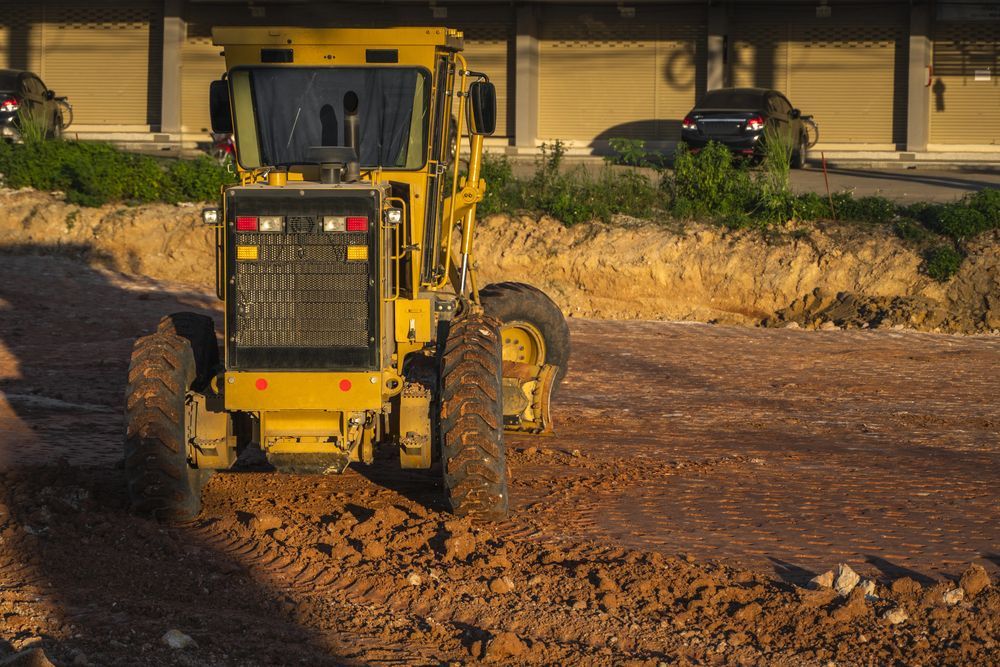
The crushing process is more sophisticated than it sounds. Peters Crushing and Recycling operates three mobile crushing plants that travel between ready-mix plants, recycle piles, gravel pits, and quarries across the region. That mobility matters because it means we come to the material rather than requiring contractors to figure out how to move tonnes of broken concrete across the province.
Once the material is fed through the crushing plant, it gets broken down and screened into specific size gradations. Crushed concrete becomes recycled aggregate used for sub-base in roads and parking lots. Reclaimed asphalt pavement, commonly called RAP, gets processed and used in new asphalt mixes or as a granular base. The output is consistent, graded material that meets the requirements of the job at hand.
We see this a lot with larger infrastructure projects: the job generates demolition material on one end of the site while the same project needs granular base material on the other end. Processing on-site or nearby and reusing that crushed concrete closes the loop in a way that saves real money and keeps truckloads of material out of the waste stream entirely.
The Landfill Problem with Concrete and Asphalt Waste
Ontario's landfills are not infinite, and construction and demolition waste is one of the largest contributors to that pressure. Concrete is heavy, takes up a lot of space, and contributes nothing once it is buried. Diverting it through concrete and asphalt recycling is one of the more direct ways the construction industry can reduce its landfill footprint without significantly disrupting workflows.
Beyond the space issue, there is the transportation piece. Every load of demolition material trucked to a distant landfill burns fuel and adds wear to roads. When that same material gets processed closer to the source and reused on or near the project, the transportation burden drops considerably. This one catches people off guard sometimes, but the logistics of waste removal are often as environmentally significant as the disposal itself.
Recycled Aggregate Ontario: What the Output Actually Gets Used For
Recycled aggregate is not just fill. Done right, it becomes a usable product with real applications across construction and civil work. Some of the most common uses we see include road base and sub-base for new pavement, backfill for utilities and site grading, drainage aggregate for pipe bedding and French drains, and granular base beneath parking lots and commercial developments.
Reclaimed asphalt pavement has its own set of uses, particularly in new hot mix asphalt where it reduces the amount of virgin bitumen and stone required. Using RAP in new pavement mixes is standard practice on many municipal road projects now, and the material performance is well established. The product has come a long way from being a cheap filler option.
For landscaping and other specialty applications, crushed concrete and recycled stone can also serve as a cost-effective alternative to quarried material. Envirogrow Soil Solutions, another division within Peters Construction Group, works with some of this processed material for soil and growing media products as well.
Sustainable Construction Materials Are Already Here
The conversation around sustainable construction materials often focuses on new technology, new products, new innovations. Concrete and asphalt recycling is not new. It has been done at scale for decades, and the equipment, processes, and quality standards around it are well developed. What is changing is the expectation that contractors, municipalities, and developers will actually use it rather than default to landfill disposal because it feels easier.
Specifying recycled aggregate Ontario sources on public infrastructure projects is increasingly common, and private developers are finding that using processed demolition material reduces overall project costs when handled efficiently. The environmental case and the financial case are pointing in the same direction, which is not always how construction decisions work out.
Aggregate recycling also supports a circular economy in a very literal sense. Material that came out of one road or building goes directly back into the next one. The idea of keeping useful material in productive use rather than sending it to a hole in the ground is straightforward, and the infrastructure to make it happen exists right now.
Have a Concrete and Asphalt Recycling Question? Talk to Peters Crushing and Recycling
If you are managing a demolition project, road rehabilitation, or a site cleanup in Ontario and you are not sure what to do with the concrete and asphalt coming out of it, we can help you figure that out. Peters Crushing and Recycling has the mobile equipment, the experience, and the capacity to handle large volumes of material and turn it into something useful.
Give us a call at 905-714-0011 or visit petersgroup.ca to learn more about our crushing and recycling services and find the location closest to your project.