The Essential Guide to Site Prep for Commercial Excavation Companies
Breaking ground on a new construction project in Niagara Falls is always a moment of high energy. You have likely spent months or even years in the planning phase. Architects have drawn the prints; investors have signed the checks. Now you are staring at a plot of land and imagining the structure that will soon stand there. However, between the vision and the reality lies a massive amount of dirt work. This phase is often the most unpredictable part of any build.
You cannot simply point a machine at the ground and tell the operator to dig. That is a recipe for disaster. The soil in our region is notoriously variable. You might hit heavy clay that retains water like a sponge. You might strike a hard limestone bedrock just a few feet down. Preparing your property for major earthworks requires a strategic approach to protect your budget and your timeline. It is about mitigating risk before the heavy iron arrives.
Why Early Soil Analysis Helps Commercial Excavation Companies
The biggest unknown in construction is what lies beneath the surface. We have seen projects stall on day one because the ground conditions did not match the assumptions. Before you finalize your budget, you need a comprehensive geotechnical report. This is not just a formality; it is the roadmap for the entire foundation phase.
Commercial excavation companies rely on this data to determine the right equipment for the job. If the soil is unstable, we might need to bring in different compaction equipment or plan for extensive soil remediation. If the water table is high, we need dewatering pumps on standby. Sharing this report early allows your partners to plan the logistics accurately. It prevents the dreaded change orders that arise when we hit unexpected rock or soup-like mud.
Clearing the Way for Excavation Contractor Companies
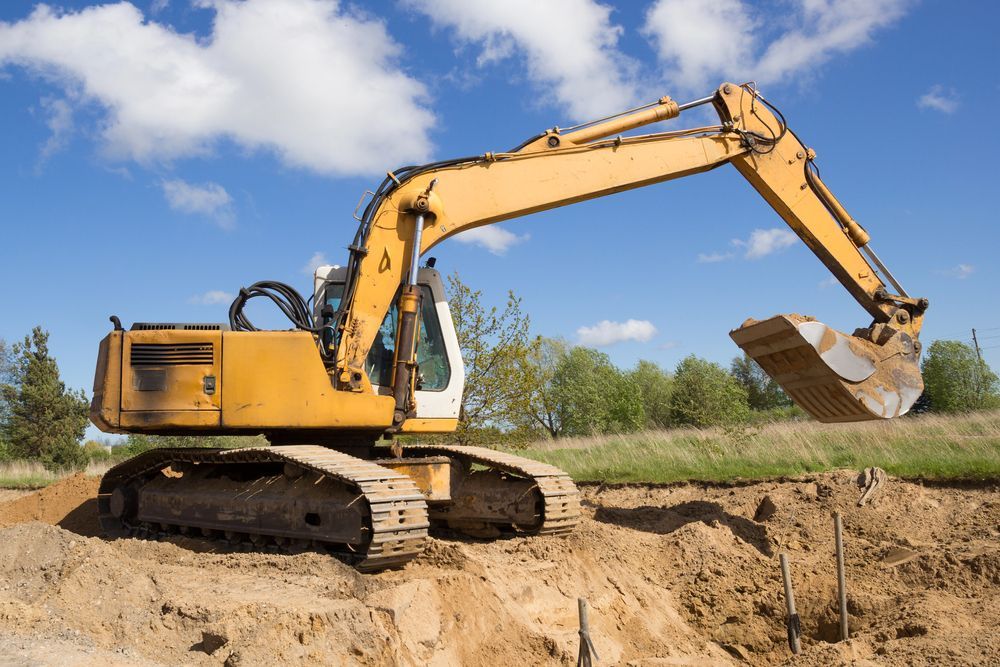
Heavy machinery is large, it is loud. It requires a significant amount of space to maneuver safely. One of the most common issues we encounter when arriving at a site is a lack of physical access. A standard excavator needs wide clearance to swing its boom without hitting trees, fences, or neighboring structures.
When you are interviewing excavation contractor companies, walk the site with them. Discuss exactly where the equipment will enter and exit. You may need to temporarily remove sections of fencing. You might need to prune low-hanging branches that could damage the hydraulic lines on a dump truck. We also need a designated staging area. This is a flat, stable spot where we can park machines overnight and store materials like gravel or piping. If the site is too tight, we have to coordinate truck traffic carefully to avoid blocking local roads.
Utility Locates and Safety for Excavation Contractors
Safety is not just a buzzword. It is the foundation of our industry. The ground beneath Niagara Falls is a web of gas lines, water mains, fiber optic cables, and electrical conduits. Striking one of these lines is dangerous. It can also shut down your project and lead to massive fines.
You must ensure that all public utilities are located and marked before work begins. In Ontario, this is usually handled through Ontario One Call; however, private utility lines on your property might not be covered by this service. You need to know exactly where your sewer cleanouts and private electrical runs are located. Professional excavation contractors will refuse to dig until they verify these marks. We often use hydro-vacuum excavation to safely expose sensitive lines before bringing in the big buckets. This precise approach prevents accidents and keeps your project running smoothly.
Managing Water with Excavating and Grading Contractors
Water is the enemy of a stable construction site. If you do not have a plan for surface water, a single rainstorm can turn your property into an impassable mud pit. This damages the soil structure and makes it impossible to achieve proper compaction.
Experienced excavating and grading contractors will look at the natural topography of your land. We need to install temporary drainage measures immediately. This might involve digging swales to divert runoff away from the work zone. It usually involves installing silt fences to keep mud from flowing into the city storm sewers. Environmental regulations in Niagara are strict regarding sediment control. You need a partner who understands how to keep your site compliant while keeping it dry enough to work.
Navigating Permits with Commercial Excavation Companies
You cannot move significant amounts of earth without permission. Local bylaws regarding site alteration are specific. If your property is near a wetland or a conservation zone, the rules become even more stringent.
Commercial excavation companies often assist clients in understanding these requirements. We know what the inspectors are looking for. We understand the documentation needed to prove that the work will not negatively impact drainage on neighboring properties. Delays in permitting are a common headache, but they are avoidable. By involving your excavation team during the application process, you ensure that the technical details in your permit application align with the actual construction plan.
Defining the Scope for Excavation Contractor Companies
When you look at a quote, you need to know exactly what is included. Does the price cover the removal of all spoil material from the site? Or is that billed separately? Does the bid include the cost of importing fill if the site needs to be raised?
Different excavation contractor companies structure their bids differently. A low price might look attractive until you realize it excludes the disposal fees for contaminated soil or the cost of breaking rock. You need to ask detailed questions about the inclusions and exclusions. We prefer to have a frank conversation about the "what-ifs." If we find buried debris from a previous structure, we need a plan for how to handle it. Transparency upfront saves a lot of tension later.
Final Site Prep by Excavating and Grading Contractors
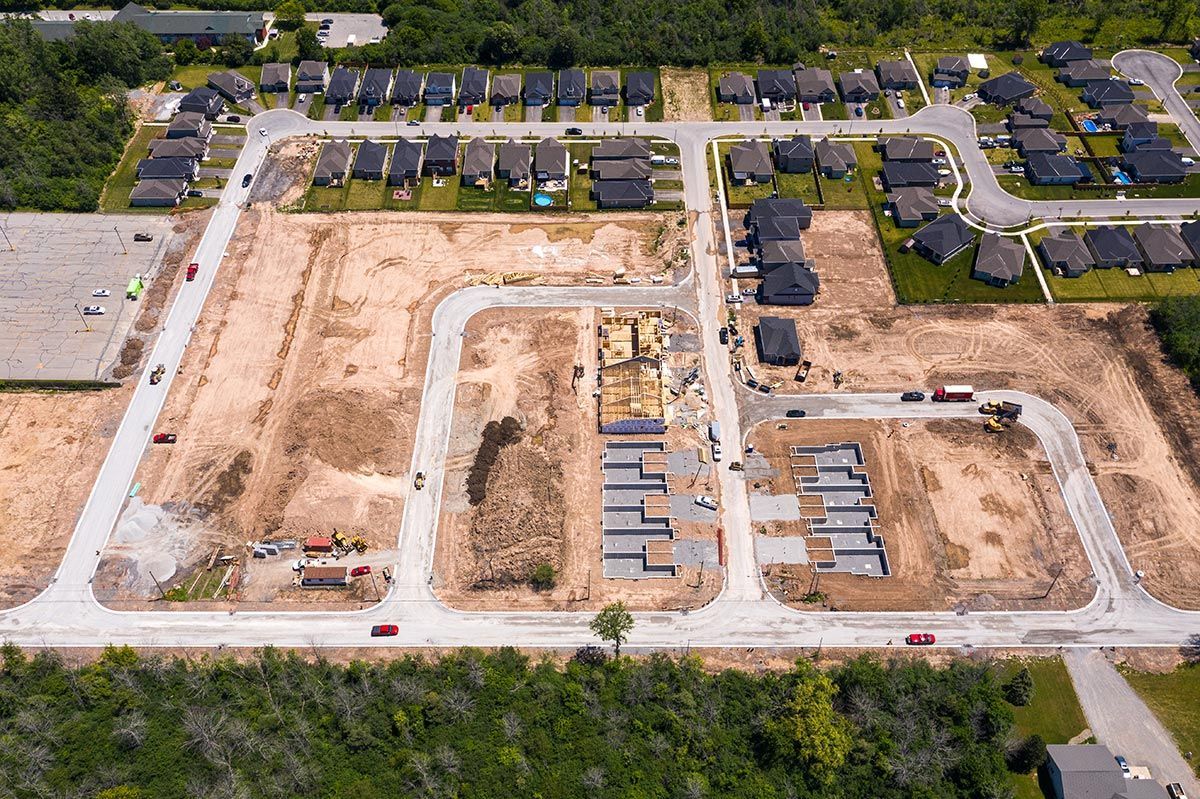
The job is not finished when the hole is dug. The site must be left in a condition that facilitates the next trades. Concrete crews need a flat, compacted subgrade to pour footings. Framers need a level area to stage lumber.
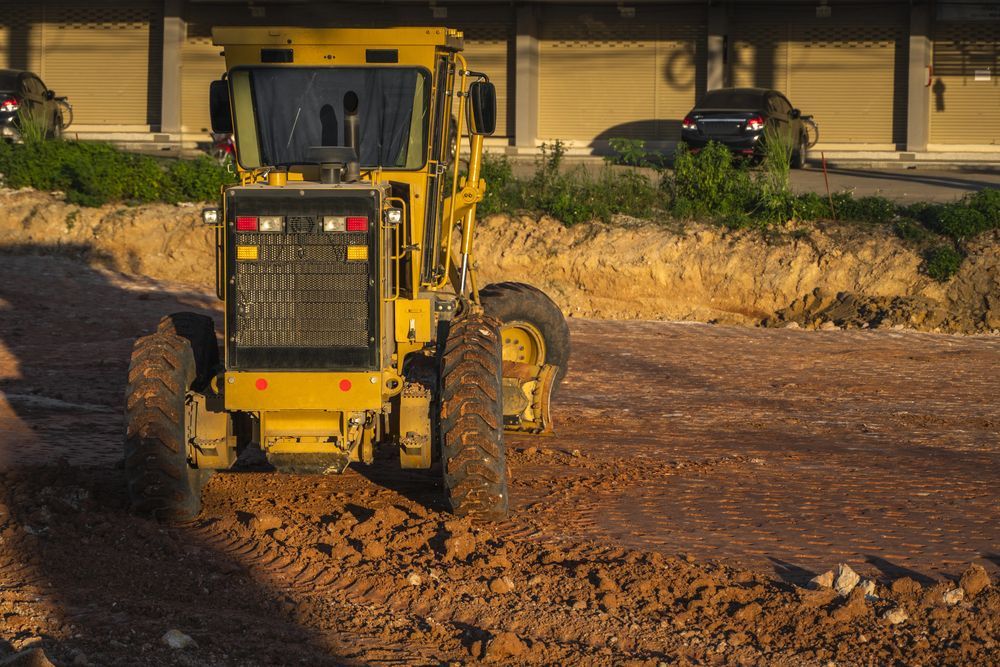
Excavating and grading contractors play a major role in this transition. We use laser levels and GPS-guided equipment to ensure the final grade is accurate to within a fraction of an inch. We also ensure that the land slopes away from the future foundation to prevent water issues down the road. A messy site slows everyone down. A clean, graded site sets the tone for a high-quality build.
Choosing the Right Excavation Contractors
Preparation is the difference between a chaotic job site and a controlled engineering operation. It requires looking ahead. It requires respecting the power of the machinery and the unpredictability of the soil. You need a team that communicates clearly and operates with precision.
At Peters Construction Group, we have spent years navigating the unique challenges of the Niagara landscape. We have the fleet, the operators, and the experience to handle complex site preparations. We do not just move dirt, we engineer solutions.
Ready to Break Ground?
If you are planning a commercial development or a major residential project, do not leave the dirt work to chance. You need a partner who understands the complexities of the ground you are building on. We are here to guide you through the process from the first soil test to the final grade.
Contact Peters Construction Group today. Let us discuss your plans and ensure your property is ready for success. We build the foundation your project deserves.